
About Gazers
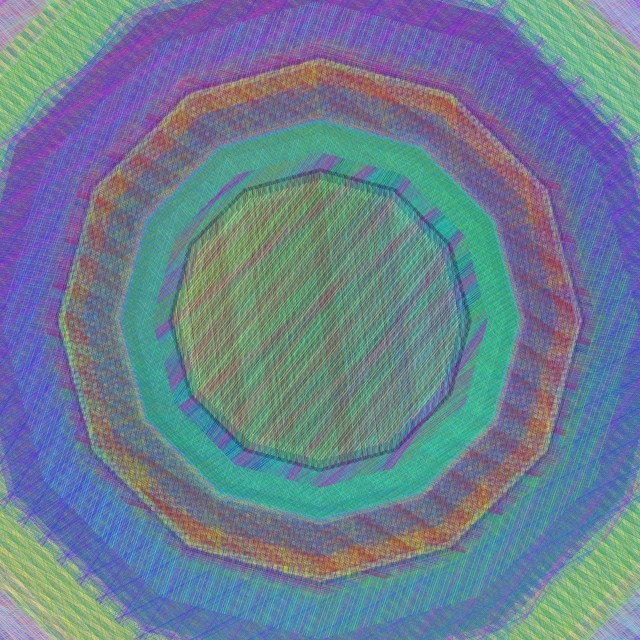
Gazers is a set of 1,000 moons by Matt Kane, each framed by layered bands of line pattern that slowly pulse and turn. Every Gazer is also a lunar calendar that follows the real moon. Each New Moon brings a new design, and each midnight its layers get new rules for how their color rises and sets. Each token's Origin Moon is the New Moon of one of twelve turning points in Kane's life as an artist, so the set is partly a self-portrait.
Gazers came out on Art Blocks Curated on December 6, 2021, in a falling-price auction that sold out in about 90 minutes. Its p5.js script is stored onchain. A Gazer runs at one frame a second on its Origin Moon and speeds up as the moons pass. New rendering modes unlock every 33 months, and on some tokens a feature for paging back through past moons stays locked for thousands of years. "Give me ten years. twenty years. sixty years. 200 years. 1,000 years," Kane told Art Blocks. The work also celebrates: on New Year's Eve, on eclipses, on the anniversary of its Origin Moon, and every 33 New Moons, when the moon grows huge as a Blue Moon.
The idea grew out of The Door, Kane's generative door paintings from the summer of 2021. One of them came out heavy in moiré, and when he grouped several doors they began to look like people gazing up at the moon, the way Kane and his father would. Gazers was shown in Dubai, in Venice and online in 2022, and in 2024 Sotheby's sold two of them in its Grails V sale. Collectors watch the background and the clock most: the gray Slate and Aluminum grounds, and the one in five that tell the time.
What to look for
Celebrations
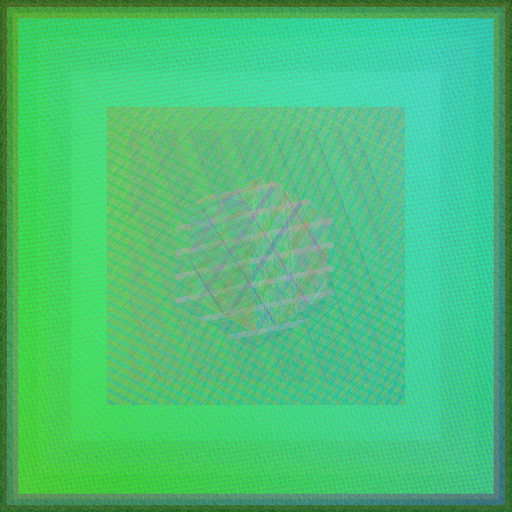
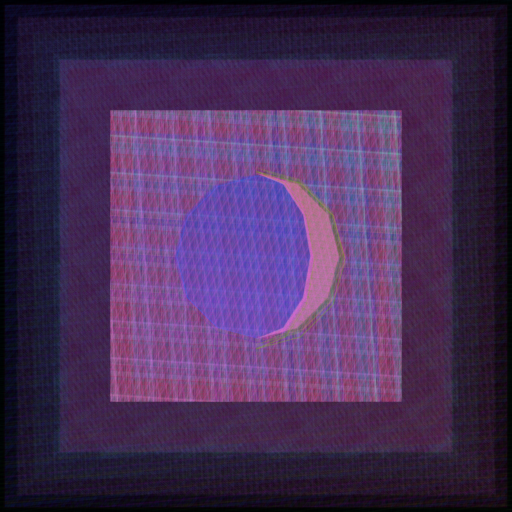
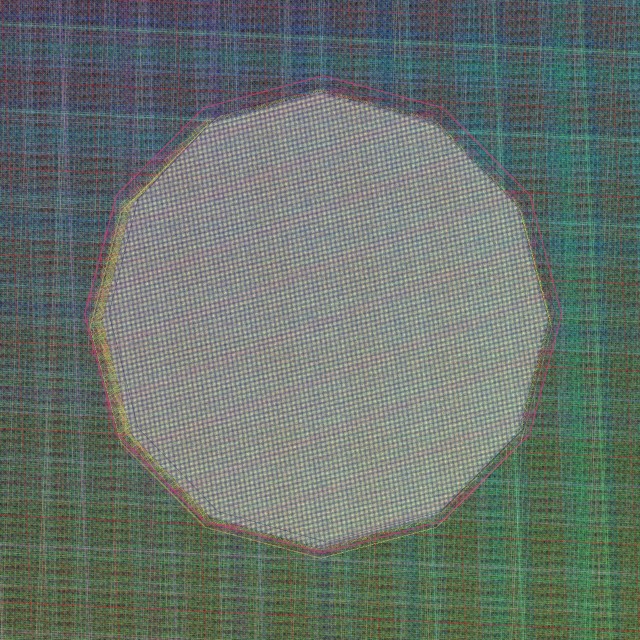
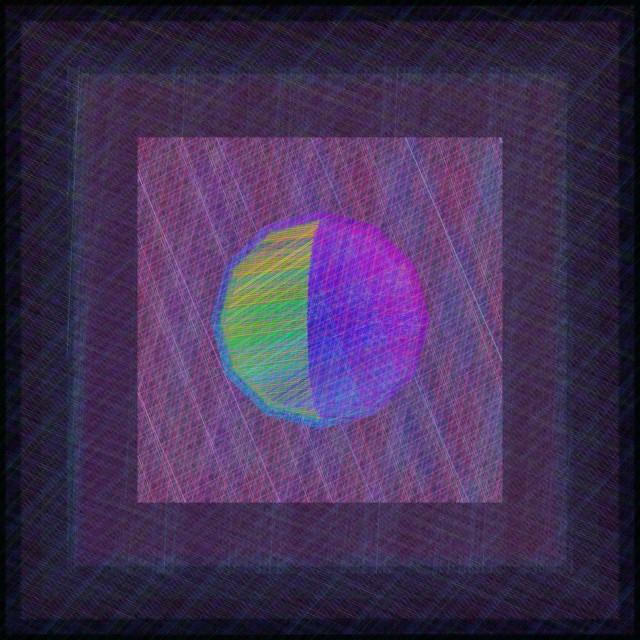
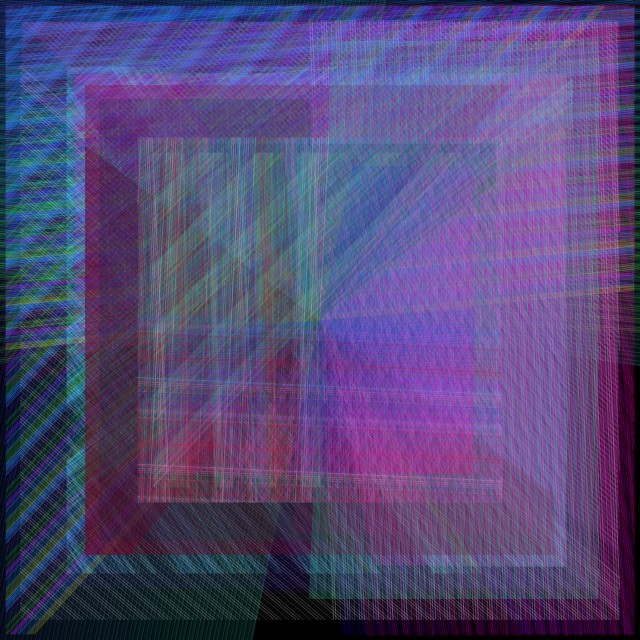
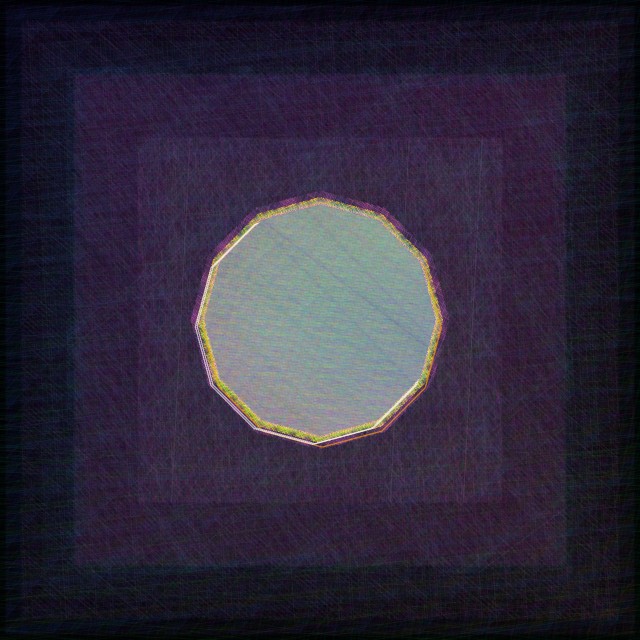
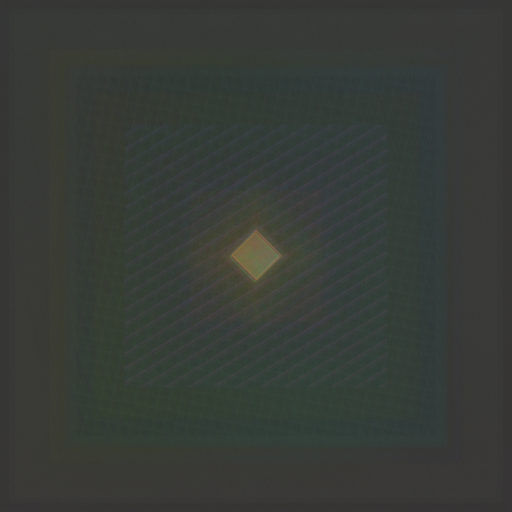
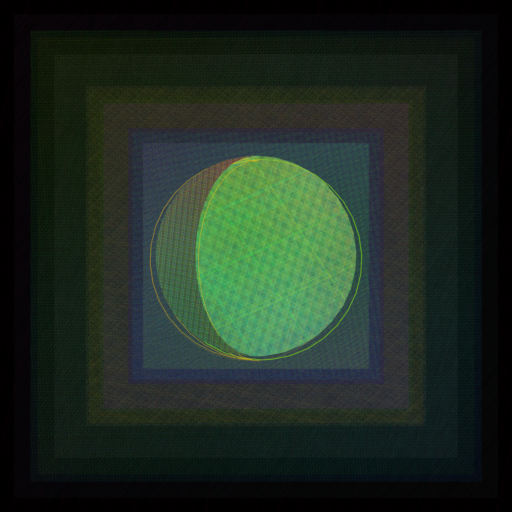
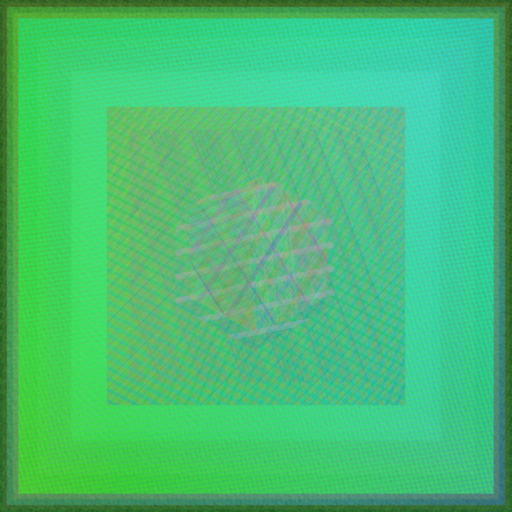
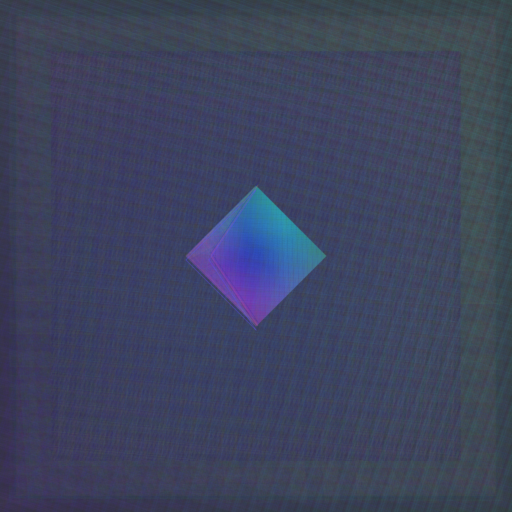
On certain days a Gazer changes form, then returns to its usual look. These are #453 on each of them, recorded from its own code with the clock set to the day. The dates follow the local time of whoever is watching.
Background
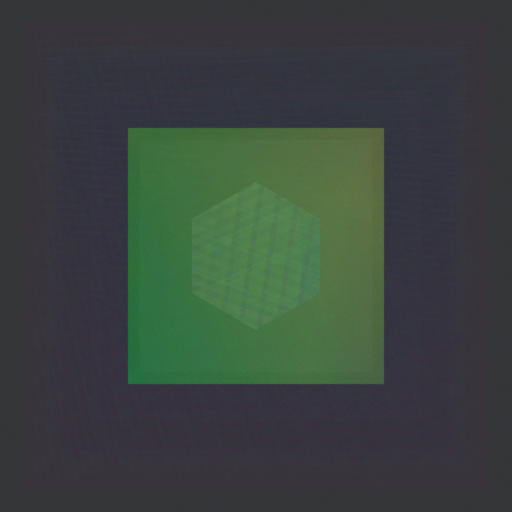
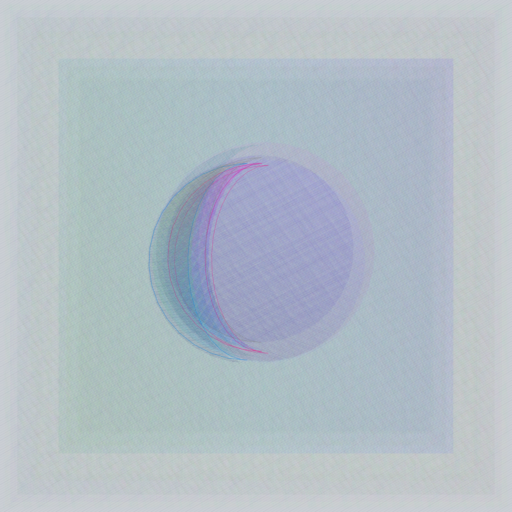
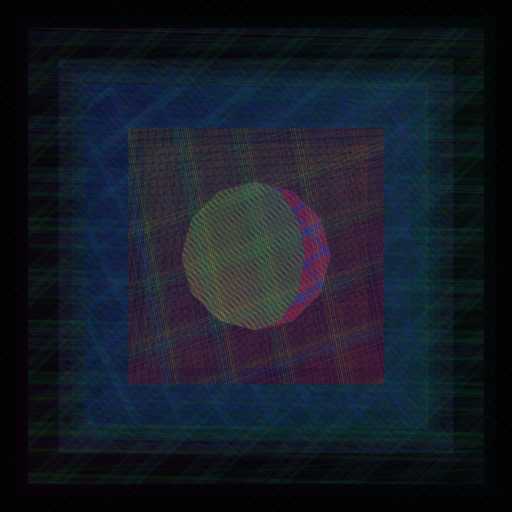
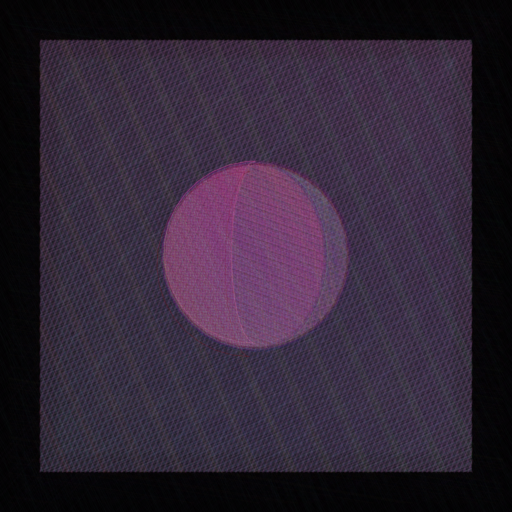
Most Gazers sit on Night, close to black. Slate is dark gray and Aluminum light gray, about one in nine together, and they read as a different work.
Clock
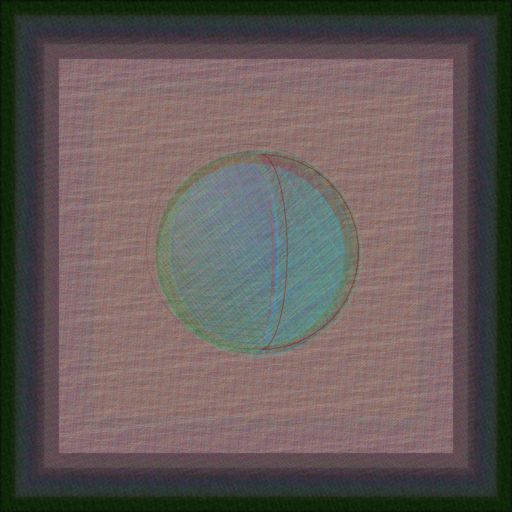
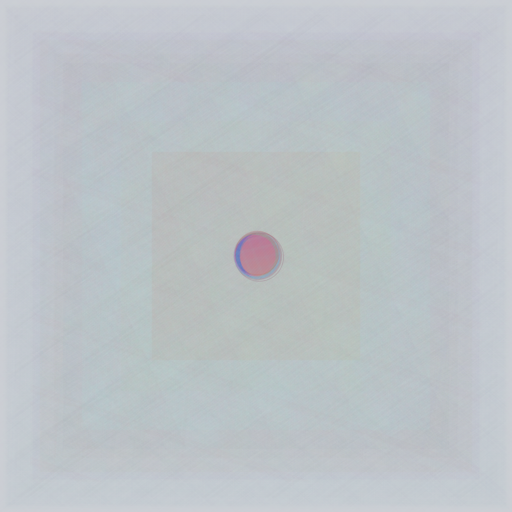
Most Gazers are calendars only. About one in five also keeps time, and the 0 key flips it between clock and calendar: a 24-hour clock, a minute timer, an hour and minute clock, or the rarest, with hours, minutes and seconds.
Speed
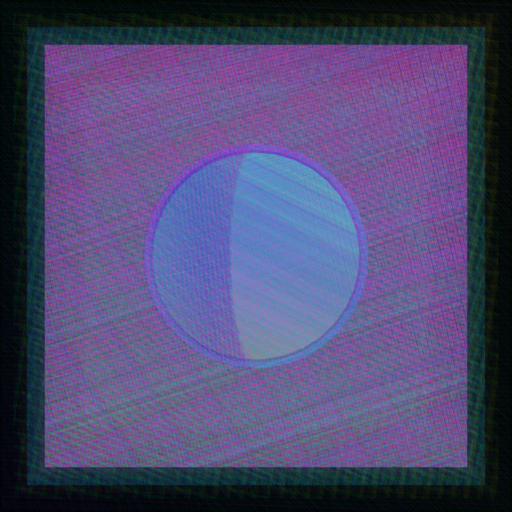
A Gazer runs at one frame a second on its Origin Moon and gains a frame per second every so many New Moons. Most gain one every 12 moons, about once a year. The rarest wait hundreds or even thousands of moons, so they stay slow for decades.
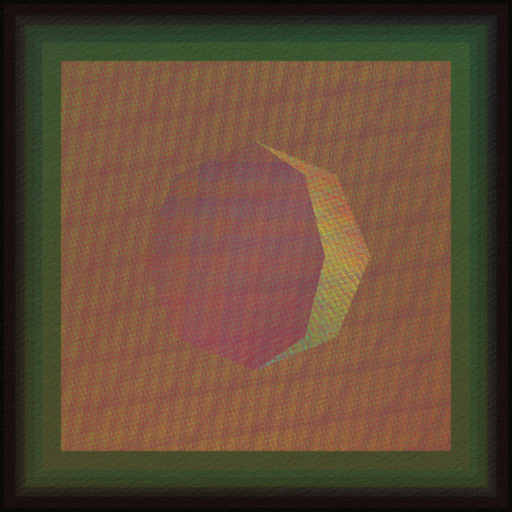
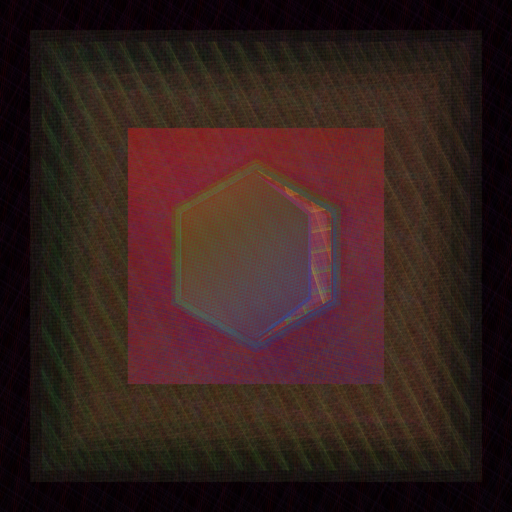
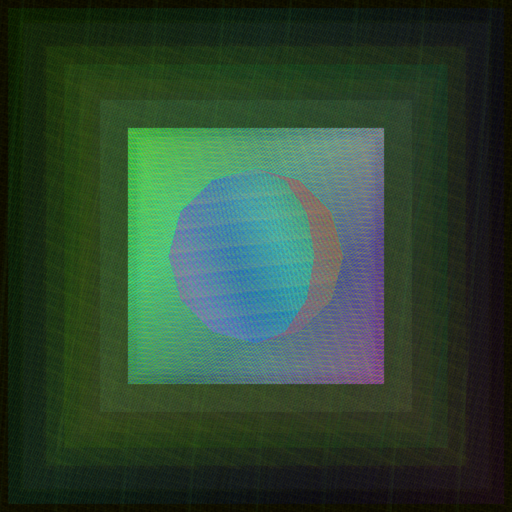
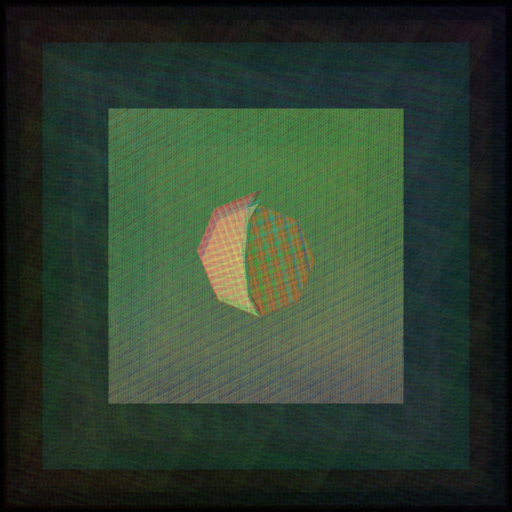
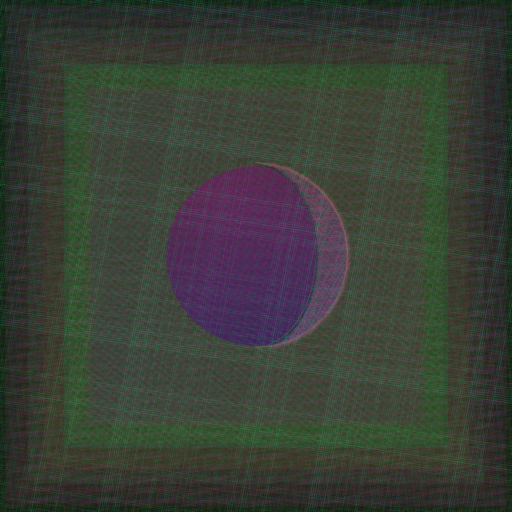
Hemisphere
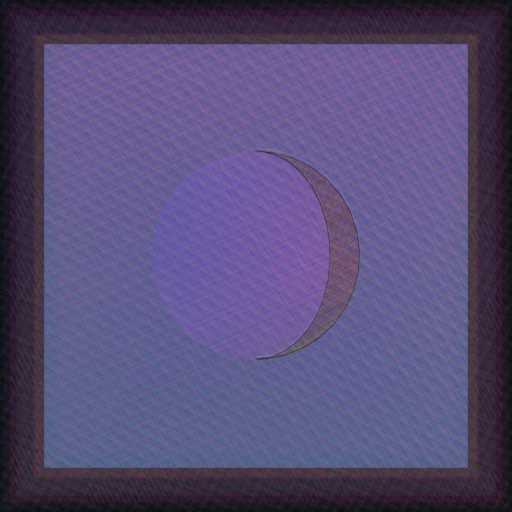
Which way the light sweeps across the moon. Northern runs right to left and Southern left to right. Equator, on 13 Gazers, runs from bottom to top.
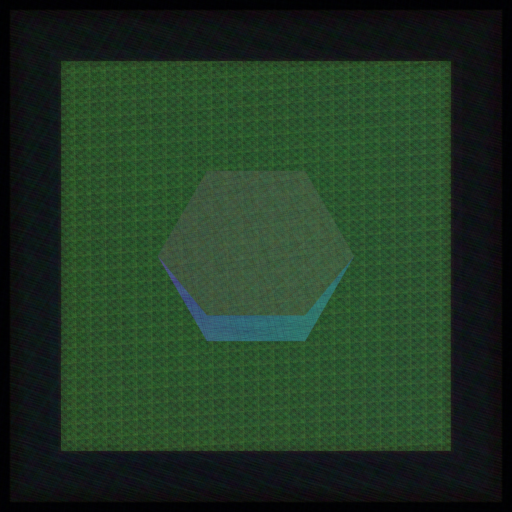
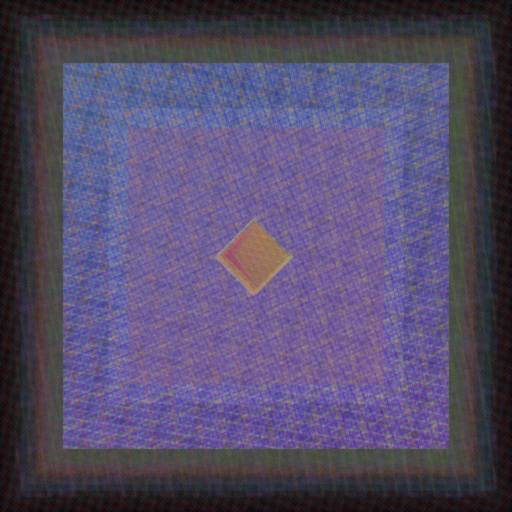
Notable pieces
Outputs with an auction, museum or record-sale story.
Top sales
Exhibitions
- 2022-2023Not Only RGBMuseum of Contemporary Digital Art, Online
- 2022MetaVanityVanity Fair and Valuart, Venice
- 2022Icons of Crypto ArtThe 721, Dubai